
Top 10 Types of Electric Tricycles for Global Buyers
Choosing an Electic Tricycle is not simply a matter of comparing motor wattage or battery size. Global buyers must match the vehicle with real working conditions. A bakery may need a compact cargo model for narrow streets. A family may prefer a stable passenger tricycle with weather protection. Rural operators may value large tires, stronger brakes, and easy battery access.
Dr. Chris Cherry, a transportation researcher at the University of Tennessee, has said, “E-bikes are a transportation solution, not simply a recreational product.” This perspective also applies to electric tricycles. They can support deliveries, community transport, mobility assistance, farming, and daily commuting. Yet the wrong design can create problems. A heavy frame may reduce range. A small turning radius may limit stability. Cheap components can increase maintenance costs.
This guide examines the top ten types of Electic Tricycle available to international buyers. It compares cargo, passenger, folding, mobility, utility, and off-road designs. Each section considers load capacity, motor placement, battery range, braking systems, comfort, and serviceability. These details matter at the curb, in the warehouse, and on uneven roads.
Some choices remain imperfect. Manufacturer range claims often use ideal conditions. Real users face hills, wind, cold weather, and overloaded baskets. Buyers should question attractive specifications and request verified testing information. Local road rules, charging access, spare parts, and warranty support also deserve careful attention. The best tricycle is rarely the most powerful one. It is the one that performs reliably in the buyer’s actual environment.
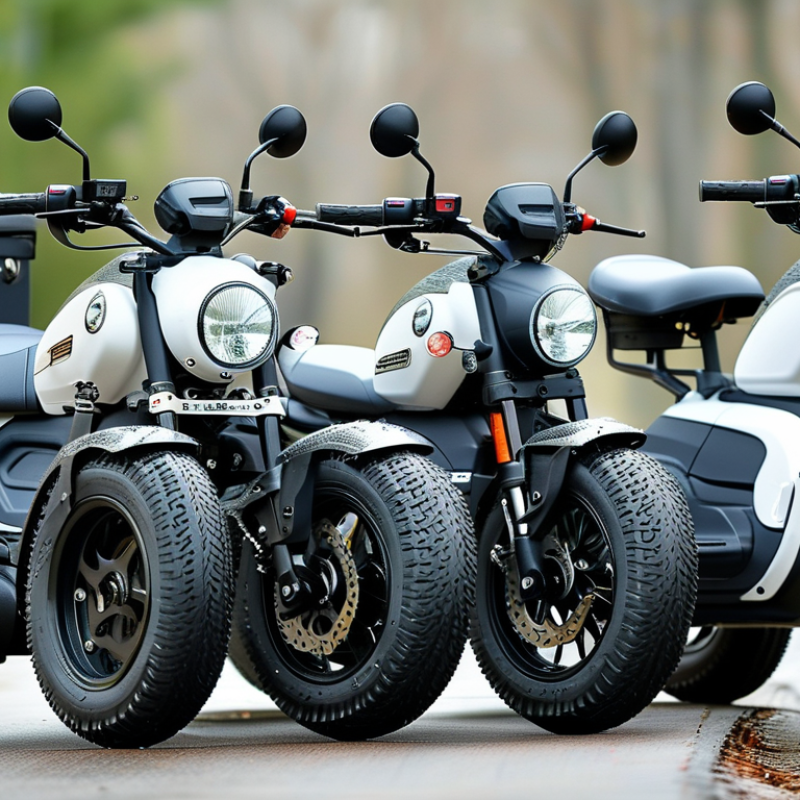
What Defines an Electric Tricycle and Its Main Components
An electric tricycle is a three-wheeled vehicle powered partly or fully by an electric motor. Its layout may use two wheels at the rear or front. This structure improves stability at low speeds. A practical definition includes the frame, electric drive system, controls, and rider position. It should also match its intended work, such as commuting, delivery, or carrying small loads. That distinction matters. Some sellers describe any three-wheel bicycle as electric, even when the motor only provides limited assistance.
The frame forms the load-bearing foundation. Steel offers strength and lower cost, while aluminum can reduce weight. The motor supplies turning force through the front hub, rear hub, or drivetrain. A rechargeable battery stores the energy, and a battery management system helps control charging and temperature. The controller regulates power between the battery and motor. Other key parts include the throttle or pedal sensor, display, brakes, lights, tires, and charging port. Each component affects range, comfort, safety, and maintenance.
During product checks, inspect welds, cable routing, brake response, and battery mounting points. A loose connector can cause sudden power loss. Test the tricycle on a slight slope, not only on a showroom floor. Real weight changes handling. I have found that advertised range often assumes light loads, flat roads, and mild weather. That assumption is easy to miss. Buyers should also verify replacement-part access, charger specifications, and the rated payload before selecting one of the many electric tricycle types.
| No. | Electric Tricycle Type | Wheel Layout and Structure | Typical Primary Use | Typical Motor Output | Common Battery Specification | Indicative Real-World Range | Typical Payload or Capacity | Key Components and Features | Main Buyer Considerations |
|---|---|---|---|---|---|---|---|---|---|
| 1 | Delta Commuter Tricycle | One front wheel and two rear wheels; upright frame with a standard saddle or step-through design. | Daily commuting, neighborhood travel, shopping, and short urban trips. | 250–750 W nominal | 36 V or 48 V lithium-ion battery, approximately 400–800 Wh | 30–70 km per charge under moderate load and normal conditions | Rider plus approximately 25–60 kg of cargo | Rear differential or solid rear axle, front suspension on some models, mechanical or hydraulic disc brakes, LED lighting, fenders, rear rack, and pedal-assist controls. | Check stability during turns, frame access height, braking performance, maximum permitted motor output, and availability of replacement batteries. |
| 2 | Tadpole Commuter Tricycle | Two front wheels and one rear wheel; low center of gravity and wide front track. | Stable urban commuting, recreational riding, and paved cycle paths. | 250–750 W nominal | 36 V or 48 V lithium-ion battery, approximately 400–750 Wh | 30–65 km per charge | Rider plus approximately 15–40 kg of cargo | Dual front steering, differential rear drive or rear hub motor, low step-over frame, ergonomic seat, front and rear brakes, and optional suspension. | Consider overall width, turning radius, storage space, road visibility, and compatibility with local cycle-lane regulations. |
| 3 | Longtail Cargo Tricycle | Extended rear platform or rack behind the rider; commonly two rear wheels and one front wheel. | Family transport, parcel delivery, grocery transport, and small-business logistics. | 500–1,000 W nominal | 48 V lithium-ion battery, approximately 600–1,200 Wh; dual-battery setups may be available | 25–60 km per charge with practical cargo loads | Approximately 80–200 kg including rider, depending on frame rating | Reinforced frame, heavy-duty rear axle, cargo rails, footboards, hydraulic or mechanical disc brakes, torque sensor or cadence sensor, and adjustable cargo accessories. | Verify axle rating, frame fatigue resistance, load distribution, hill-climbing performance, and parking or loading requirements. |
| 4 | Box Cargo Tricycle | Large front or rear cargo box mounted on a three-wheel chassis. | Last-mile delivery, mobile vending, food distribution, and urban commercial transport. | 500–1,500 W nominal | 48 V or 60 V lithium-ion battery, approximately 800–2,000 Wh | 20–55 km per charge, depending heavily on cargo weight and route conditions | Approximately 100–300 kg, subject to chassis and axle limits | Steel or aluminum cargo body, reinforced floor, lockable doors, rear differential, hydraulic brakes, reverse function, parking brake, and optional weather protection. | Evaluate turning space, body dimensions, payload certification, water resistance, battery access, and local commercial-vehicle requirements. |
| 5 | Passenger Electric Rickshaw | One front wheel and two rear wheels with a bench seat and protective passenger canopy. | Short-distance passenger transport, campus shuttles, tourism, and community mobility. | 800–2,000 W nominal | 48 V or 60 V lithium-ion or lead-acid battery system, approximately 1,000–3,000 Wh | 25–70 km per charge | Typically 2–6 passengers, depending on local regulations and vehicle design | Passenger bench, grab rails, canopy, seat belts where required, rear differential, hydraulic or mechanical brakes, mirrors, indicators, horn, and lighting system. | Confirm passenger capacity approval, rollover protection, braking distance, weather protection, insurance classification, and road-registration rules. |
| 6 | Mobility and Accessibility Tricycle | Usually a low-step delta layout with a wide rear axle and an upright or semi-recumbent seating position. | Personal mobility for older adults and riders with limited balance or mobility. | 250–750 W nominal | 36 V or 48 V lithium-ion battery, approximately 400–900 Wh | 25–60 km per charge | Rider plus approximately 15–40 kg of personal items | Low step-through frame, wide saddle, backrest, armrests, parking brake, adjustable handlebars, front basket, reverse mode, speed limiter, and bright lighting. | Prioritize seat ergonomics, low-speed control, easy mounting, maximum width, battery weight, service accessibility, and emergency braking behavior. |
| 7 | Flatbed Utility Tricycle | Open flat platform, usually located behind the rider on a delta-style chassis. | Farming, construction support, municipal work, maintenance, and general goods transport. | 750–2,000 W nominal | 48 V or 60 V battery, approximately 1,000–3,000 Wh | 20–50 km per charge under working loads | Approximately 150–500 kg, depending on axle, frame, and braking specifications | Reinforced steel platform, side rails, differential, low-range gearing or high-torque motor, heavy-duty suspension, hydraulic brakes, and optional tipping mechanism. | Check gradeability, ground clearance, tire load rating, chassis weld quality, thermal protection, and safe operation on unpaved surfaces. |
| 8 | Folding Compact Electric Tricycle | Compact three-wheel frame with folding handlebars, frame, or rear section for transport and storage. | Apartment storage, travel, leisure riding, and short urban trips where space is limited. | 250–750 W nominal | 36 V or 48 V lithium-ion battery, approximately 300–700 Wh | 20–50 km per charge | Rider plus approximately 10–30 kg of cargo | Folding hinges with safety locks, smaller wheels, removable battery, rear rack or basket, compact display, mechanical disc brakes, and adjustable seat post. | Inspect hinge strength, folded dimensions, carrying weight, wheel stability, battery removal method, and restrictions on carrying the folded vehicle. |
| 9 | Fat-Tire and All-Terrain Tricycle | Wide low-pressure tires, reinforced frame, and typically two rear wheels for improved traction and stability. | Gravel roads, beaches, farms, parks, snow-prone areas, and recreational off-road riding. | 500–1,500 W nominal | 48 V or 52 V lithium-ion battery, approximately 600–1,500 Wh | 25–60 km per charge, depending on terrain and tire pressure | Rider plus approximately 20–80 kg of cargo | Fat tires, torque-rich hub or mid-drive motor, suspension fork, sealed electrical connectors, hydraulic or mechanical disc brakes, low gearing, and reinforced rims. | Check tire availability, water and dust protection, motor cooling, traction on slopes, frame clearance, and whether off-road use is legally permitted. |
| 10 | Refrigerated or Insulated Delivery Tricycle | Commercial delta chassis fitted with an insulated, temperature-controlled, or specially sealed cargo compartment. | Food delivery, pharmaceutical transport, groceries, flowers, and temperature-sensitive urban distribution. | 750–2,000 W nominal | 48 V or 60 V traction battery, approximately 1,200–3,000 Wh, plus a separate cooling power system where required | 15–45 km per charge under heavy commercial use | Approximately 80–250 kg, including cargo and cooling equipment | Insulated cargo box, cooling unit or thermal lining, temperature monitor, sealed doors, reinforced chassis, hydraulic brakes, battery management system, and optional telematics. | Confirm temperature range, cooling duration, payload after insulation, sanitation requirements, drainage, charging time, and local food or pharmaceutical regulations. |