How to Install Solar Panels for Your Home Step by Step Guide?
Installing solar panels can be an exciting yet daunting task. This process, known as solar panel installation, requires careful planning and attention to detail. Many homeowners may feel overwhelmed by the technical aspects involved. However, with the right guidance, it becomes manageable.
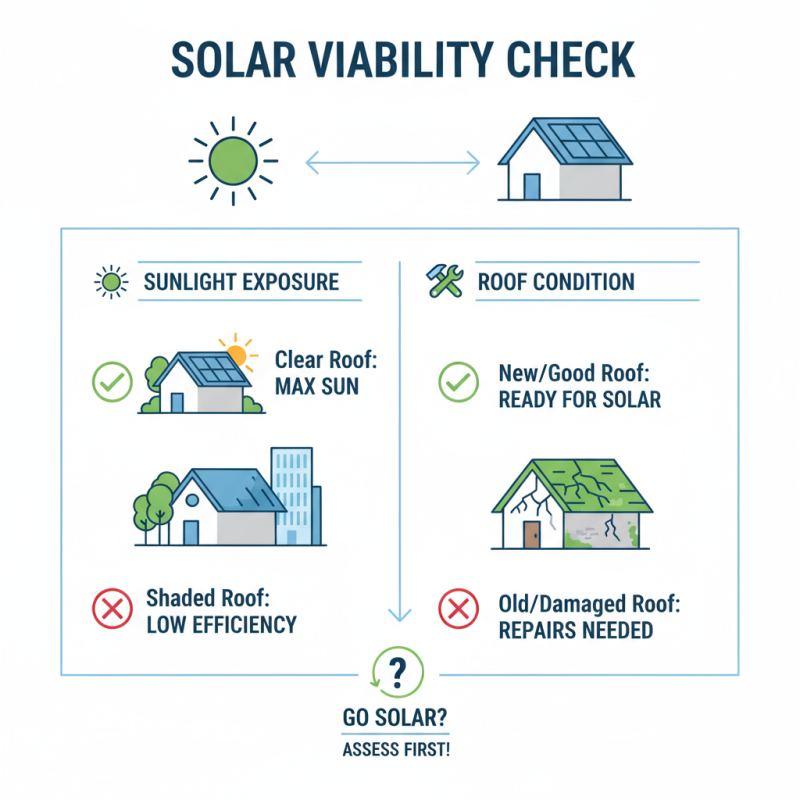
Solar panel installation involves several steps, from assessing your energy needs to selecting the proper equipment. Choosing the right location is crucial. It affects the efficiency of the panels. You’ll need to consider the angle of your roof and possible shading from nearby trees or buildings. These factors can significantly impact your energy production.
Sometimes, the installation process doesn’t go as smoothly as planned. Mistakes can happen, and adjustments may be necessary along the way. It’s essential to remain adaptable and patient. Not every aspect will be perfect, and that’s okay. Embracing the challenges is part of the learning experience. With perseverance, your solar panel installation can lead to long-lasting benefits for your home and the environment.
Understanding Solar Panel Basics and Benefits
Solar panels are an exciting option for homeowners. They convert sunlight into energy, helping reduce electricity bills. Installing solar panels also lowers your carbon footprint. This can be a crucial step towards a more sustainable lifestyle.
Understanding how solar panels work is vital. They consist of photovoltaic cells that capture sunlight. This sunlight is then converted into electricity for your home. The efficiency of the panels depends on various factors, such as location and installation angle. It is important to research these before committing to a purchase.
The benefits go beyond just saving money. Solar energy contributes to energy independence. Many users report feeling a sense of empowerment from producing their own energy. However, the initial investment is significant. It may take years to recoup the costs. Some may find the maintenance of panels daunting too, as regular cleaning and inspections are necessary for optimal performance.
Choosing the Right Solar Panel System for Your Needs
Choosing the right solar panel system for your needs is crucial for maximizing energy efficiency. According to a report from the International Energy Agency, the global solar market grew by 23% in 2020. This growth indicates increased awareness among homeowners about renewable energy. Each household requires different energy solutions. Identifying your specific energy needs is the first step.
Consider your home's energy consumption. The average American household uses around 877 kWh per month. To effectively choose a system, simulate your energy use over the year. This data helps you select the right capacity. Systems range from 1 kW to 20 kW. Depending on your energy goals, you might need a smaller or larger system. Think critically about your budget, as installation costs can vary significantly.
Many options exist in the market. Monocrystalline panels are efficient but more expensive. Polycrystalline panels are cheaper, yet slightly less efficient. Research suggests that efficiency matters if you have limited roof space. Additionally, reflect on local regulations and incentives. Some states offer rebates, while others have strict installation guidelines. Balancing costs, efficiency, and compliance can be challenging yet rewarding.
Step-by-Step Installation Process of Solar Panels
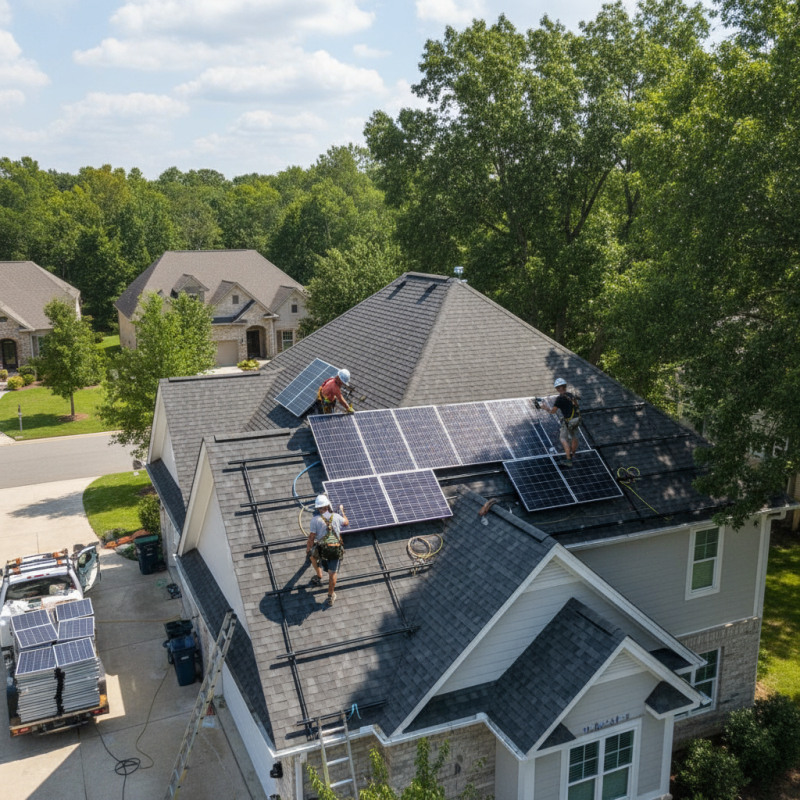
Installing solar panels is a rewarding task. Begin with careful planning. Assess your roof's condition and angle. Ensure it's free of obstructions like trees or chimneys.
Next, measure the available space accurately. Each panel requires precise placement to maximize sunlight exposure.
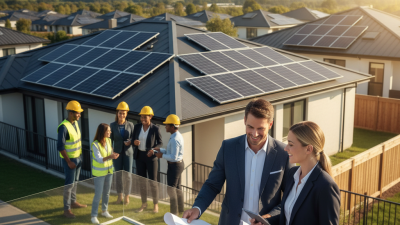
Gather all necessary tools and materials. Use safety gear while on the roof.
[Image]
Secure your panels with appropriate mounting hardware. Make sure everything is level. You might face challenges in aligning panels correctly. It takes patience to find the right fit.
Wiring the panels is critical. Connect wires according to the system design. Mistakes here can lead to inefficiencies. Take your time and double-check connections.
After installation, test the system thoroughly. Ensure it operates smoothly. Regular maintenance is vital for long-term success. Anticipate issues and remain adaptable.
Maintenance and Care for Your Solar Panel System
Maintaining your solar panel system is crucial for optimal performance. Regular cleaning can significantly improve energy output. Dust, leaves, and debris can block sunlight. Research shows that dirty panels can lose up to 25% of their efficiency. Aim for cleaning at least twice a year, or more if your area has high pollution or pollen levels.
Checking for shading is also essential. Trees and buildings can cast shadows on your panels. Even small shadows can reduce energy production. It's advisable to evaluate the surroundings periodically. Trim any overgrown branches that may obstruct sunlight.
Tips for care: Use a soft brush or cloth to clean panels. Avoid harsh chemicals which can damage them. Monitor performance closely. If you notice a drop in output, inspect for dirt or breakage. Remember, solar panels can last over 25 years, but neglect can shorten their lifespan. Pay attention to the small details for long-term benefits.