What is the Process of Getting Solar Panels for Your Home?
Getting solar panels can be an exciting journey for homeowners. The world is shifting towards renewable energy, and solar power is at the forefront. Many people dream of harnessing the sun’s energy to power their homes. However, getting solar panels involves several key steps, and it’s important to approach this process carefully.
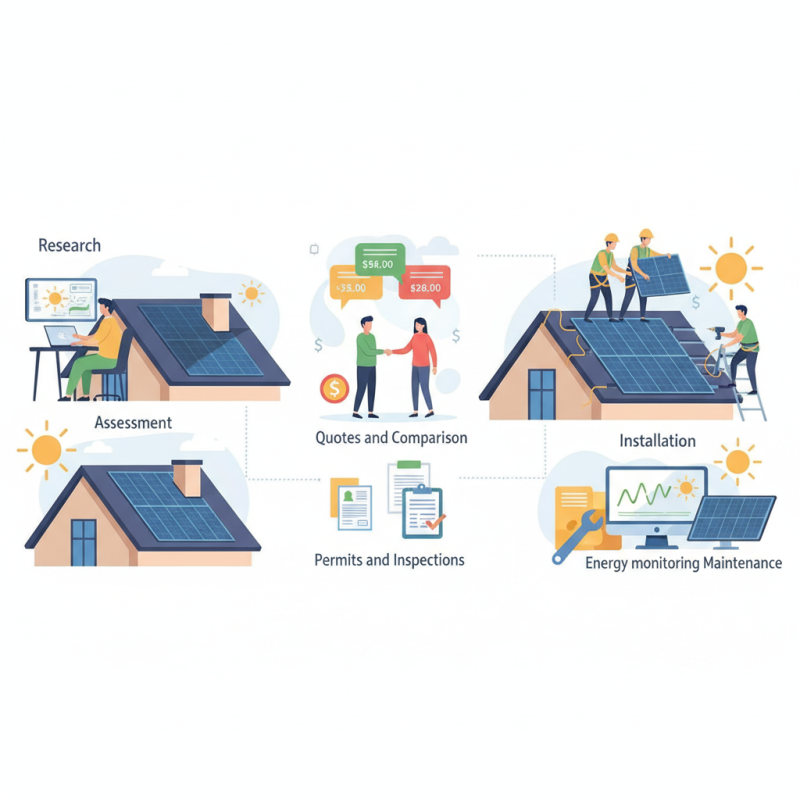
The first step is research. Homeowners must assess their energy needs and available sunlight. Not all roofs are ideal for solar panels. Some might lack the required space or face the wrong direction. After the assessment, contacting local solar providers is essential. They can offer insights and quotes. Yet, it’s crucial to compare different options. Prices can vary significantly, and knowing what to expect helps in budgeting.
Next comes installation, which can be a challenge. It’s not just about setting panels on a roof. It requires permits, inspections, and sometimes, unexpected delays. This can test your patience. After installation, monitoring the system is vital. Issues may arise, and regular checks ensure optimal performance. All these steps reflect the complexity of getting solar panels. While it provides clean energy, it's a journey with learning experiences.
Understanding Your Home's Solar Potential
Understanding your home’s solar potential is crucial before installing solar panels. Start by evaluating the direction your roof faces. South-facing roofs generally receive the most sunlight. However, east and west also work, just with slightly less efficiency. Be mindful of any obstructions like trees or buildings; they can cast shadows and reduce energy capture.
Tip: Use online tools to estimate your solar potential. Many websites offer free tools that analyze your location. They consider factors like roof angle and local weather patterns.
Next, assess your energy consumption to understand your needs. Review your electric bills from the past year. Tracking your energy usage will guide you on the panel capacity required. Sometimes, homes with high energy demands may need more panels or a battery storage system. If your roof can’t support all the panels necessary, consider ground-mounted options.
Tip: Consider scheduling a professional solar evaluation. They can provide insights on potential savings and effective layout. It’s key to invest time in this process. You may realize your home’s solar potential is better than you expected, but there can be hurdles too. Not every roof is ideal, and that’s okay; every journey to solar energy is unique.
Solar Energy Potential in Different Regions of the US
Researching Solar Panel Options and Technologies
When exploring solar panel options for your home, research is key. Start by understanding the different types. There are monocrystalline, polycrystalline, and thin-film panels. Each has its pros and cons. Monocrystalline panels are efficient but can be pricey. Polycrystalline ones are cheaper, yet less efficient. Thin-film panels are lightweight but may require more space.
Look into the technologies behind solar panels. Some panels have added features like built-in microinverters or battery storage. These innovations can improve performance and energy savings. However, they often come with higher installation costs. Weigh the benefits against your budget. Consider your energy needs as well.
Don't forget about local regulations. Some areas offer incentives for solar installation, while others may have restrictions. You might find that initial savings diminish over time. Balancing short-term costs with long-term benefits can be tricky. Take your time to evaluate all aspects of solar technologies.
What is the Process of Getting Solar Panels for Your Home? - Researching Solar Panel Options and Technologies
| Step |
Description |
Estimated Time |
Considerations |
| 1. Initial Research |
Gather information about solar energy, types of solar panels, and the benefits of solar energy. |
1-2 Weeks |
Check local regulations and climate conditions. |
| 2. Assess Energy Needs |
Evaluate your home’s energy consumption to determine the size and type of solar system needed. |
1 Week |
Use past energy bills for accurate assessment. |
| 3. Get Quotes |
Contact multiple companies to obtain quotes for solar panel installation. |
2-3 Weeks |
Compare financing options, warranties, and installation timelines. |
| 4. Review Financing Options |
Explore different financing methods such as loans, leases, and cash purchases. |
1-2 Weeks |
Consider tax credits and incentives available in your area. |
| 5. Choose a Provider |
Select the solar provider based on the received quotes and your budget. |
1 Week |
Verify provider's credentials and past projects. |
| 6. Installation Process |
Schedule and undergo the installation of solar panels on your property. |
1-2 Days |
Ensure permits and inspections are handled properly. |
| 7. Post-Installation Setup |
Set up the monitoring system to track energy production and usage. |
1 Week |
Ensure you understand the monitoring tools. |
Finding Reputable Solar Installers and Getting Quotes
Finding reputable solar installers can be a daunting task. Start by researching local companies with good reviews.
Online platforms allow homeowners to share experiences.
According to a recent industry report, about 80% of consumers rely on online ratings when choosing contractors.
This statistic highlights the importance of reviews in decision-making.
Request quotes from multiple installers. Get at least three quotes to compare options. Ensure that each quote includes project details. Price is crucial, but also consider warranties and services included.
A report from the Solar Energy Industries Association notes that a competitive bidding process can save homeowners up to 20% on installation costs.
Tips: Check if the installers are licensed and insured. Always ask for references from past clients.
Evaluate their communication skills. Clear communication is key to a successful project.
Trust your gut feeling during this selection process. If something feels off, investigate further.
A little caution can prevent complications later on.
Navigating Financing and Incentive Programs for Solar Energy
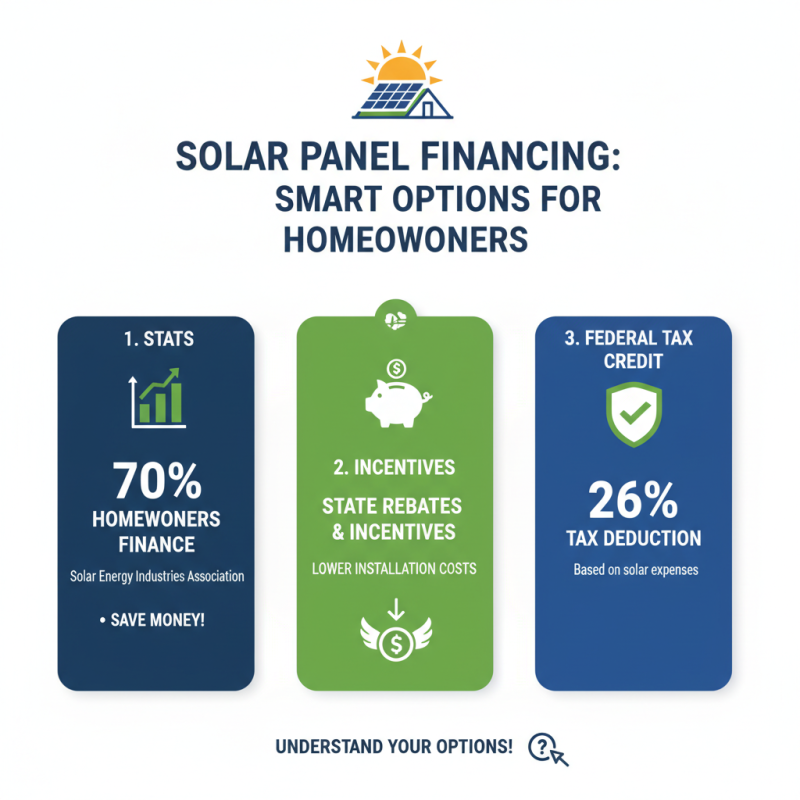
When considering solar panels, financing options are crucial. A study by the Solar Energy Industries Association indicates that 70% of homeowners utilize some form of financing to install solar systems. Understanding your options can save you money. Many states offer various incentives and rebates. These can significantly lower installation costs. Federal tax credits may allow homeowners to deduct 26% from their tax bill for solar expenses.
It's essential to explore local programs. Some communities provide low-interest loans or grants for residents installing solar energy. Additionally, programs like Property Assessed Clean Energy (PACE) financing allow you to pay through property taxes. However, it's vital to read the fine print. Certain agreements might have long-term implications, such as increased property tax.
Tips: Always verify your eligibility for available incentives. Documentation requirements can vary. Prepare to submit proof of income or home assessments. Also, consider consulting a financial advisor. They can help you navigate the complexities of solar financing. Do not rush the process. Take the time to research and reflect on what works for your financial situation.
Installing Solar Panels: What to Expect During the Process
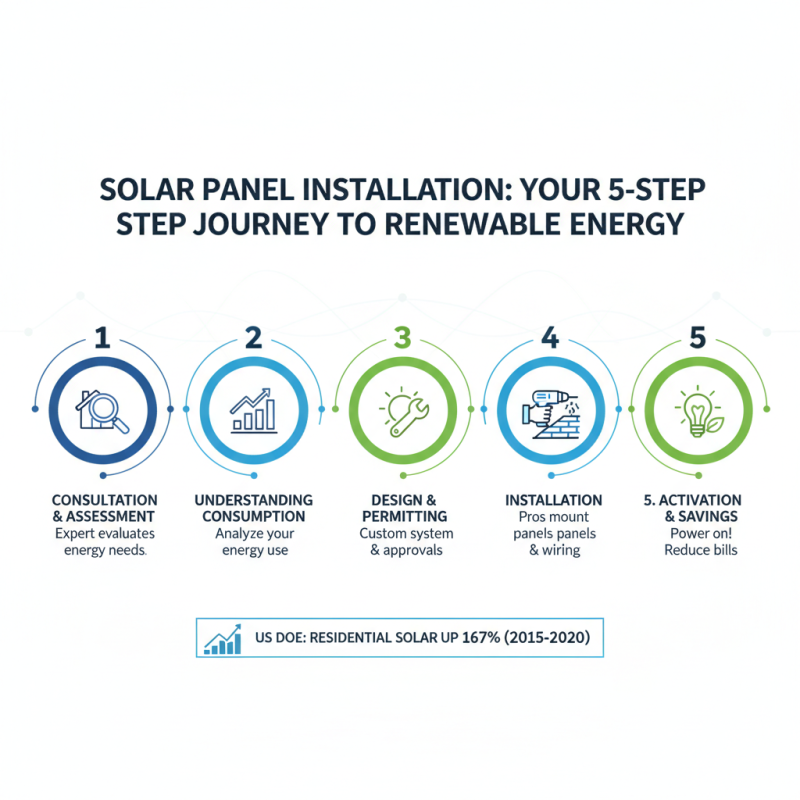
Installing solar panels involves several key steps, each contributing to a smooth transition to renewable energy. The process typically starts with a consultation. An expert assesses your home’s energy needs. According to the U.S. Department of Energy, residential solar installations increased by 167% from 2015 to 2020. During this period, understanding your energy consumption is vital.
Next comes the design phase. This is where plans are finalized. Home orientation and roof condition are evaluated. There might be unexpected challenges. For example, if your roof needs repairs, it can delay the project. A study from the National Renewable Energy Laboratory found that proper installation can boost energy output by up to 30%.
Permitting is another crucial phase. Each locality has different regulations. Securing permits can take time, which may frustrate homeowners. After installation, the system needs monitoring. Initial performance might not meet expectations. Maintenance may reveal issues, stressing the importance of regular check-ups. Embracing this process means being prepared for ups and downs.