What is a Home Solar System and How Does It Work?
Home solar systems are becoming more popular as people seek energy independence. According to Dr. Emily Carter, an expert in solar energy, "Home solar systems can drastically reduce energy bills and carbon footprints." This statement highlights the dual benefit of financial savings and environmental responsibility.
These systems work by converting sunlight into electricity. Photovoltaic panels collect sunlight and transform it into usable energy. However, understanding how they function can seem complex. Many people overlook essential components, like inverters and battery storage, which are crucial for optimal performance.
While home solar systems offer significant advantages, they also require careful planning and investment. Not every home is suitable for solar installations. Factors such as roof orientation, shading, and local regulations can limit effectiveness. It's important to do thorough research and consider these factors before making a decision.
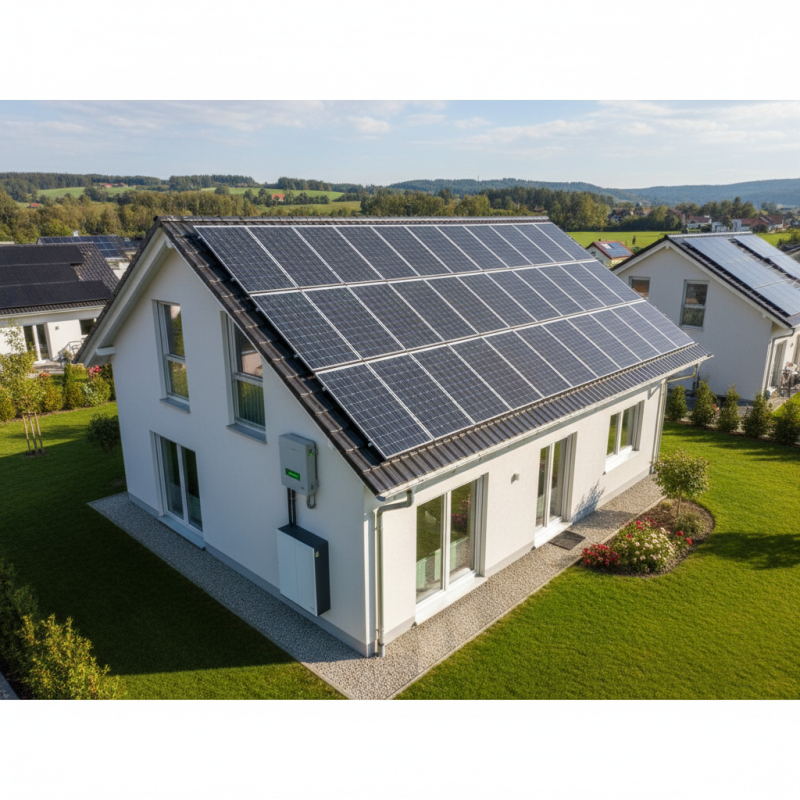
What Constitutes a Home Solar System? Key Components Explained
A home solar system consists of several key components that work together to harness solar energy. At its core, the system includes solar panels, an inverter, and a battery storage system. Solar panels capture sunlight and convert it into electricity. According to the U.S. Department of Energy, residential solar energy can reduce energy bills by up to 70%, depending on energy consumption and system size.
The inverter plays a crucial role in converting the direct current (DC) electricity generated by the solar panels into alternating current (AC) power, which is used by most home appliances. Batteries store excess energy generated during sunny days. This stored power can be used during periods of low sunlight or at night, providing a consistent energy supply.
However, integrating a home solar system can be a challenging process. Installation costs can be significant, often exceeding $15,000 before incentives. Furthermore, not every home is suitable for solar. Factors such as roof orientation, shading, and local regulations can impact effectiveness. As reported by the National Renewable Energy Laboratory, homes facing these issues may need to reassess their viability for solar energy solutions.
The Science Behind Solar Energy Conversion: How Solar Panels Work
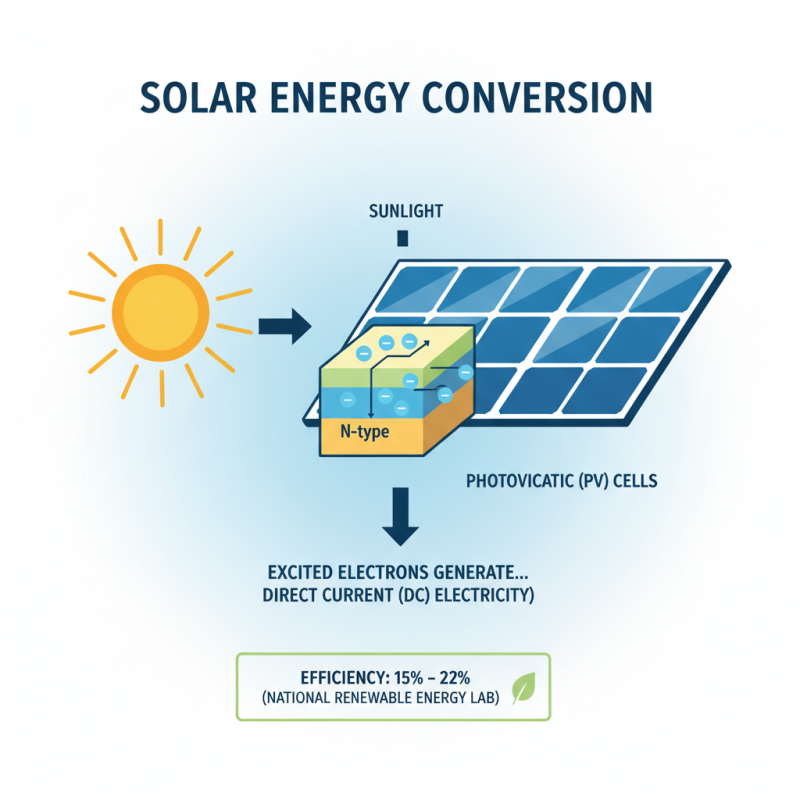
Solar energy conversion relies on the interaction of sunlight with solar panels. These panels contain photovoltaic (PV) cells. When sunlight strikes the cells, it excites electrons. This movement generates direct current (DC) electricity. According to the National Renewable Energy Laboratory, solar PV systems convert around 15% to 22% of solar energy into usable electricity, depending on the technology used.
The efficiency of solar panels is influenced by several factors, including temperature, shade, and panel orientation. For optimal performance, panels should face south at an angle suited to your location. This ensures maximum sunlight exposure. Interestingly, dirt and debris can decrease efficiency by up to 20%. Regular cleaning is essential.
Tips: Keep solar panels clean. Even a small layer of grime can impact performance. Additionally, consider shading from nearby trees or buildings. Regular assessment of these conditions can lead to better energy output. Engage with local solar energy resources for an efficiency checkup frequently. Implementing these steps can optimize your home solar system.
Understanding Solar Inverters: The Heart of Home Solar Systems
Home solar systems are gaining popularity for their ability to generate renewable energy. At the core of these systems are solar inverters. These devices convert direct current (DC) from solar panels into alternating current (AC), which powers our homes. The efficiency of a good inverter can impact system performance significantly. In fact, reports indicate that a high-quality inverter can improve energy yield by up to 20%.
Understanding solar inverters is crucial. They monitor energy output and system health. Some inverters are even equipped with Wi-Fi for real-time data tracking. This can help homeowners spot issues early, potentially avoiding costly repairs. However, choosing the right inverter can be challenging. Factors such as grid compatibility and warranty length need careful consideration. Many people overlook these details, only to face problems later.
Most homeowners aim for a minimum of 90% inverter efficiency. Lower efficiency can mean wasted potential in energy savings. Yet, not all inverters meet this benchmark. Regular maintenance and performance checks are often neglected. This oversight can limit the lifespan of the entire solar system. Finding a balance between cost and quality is important. Sometimes a cheaper inverter can result in higher long-term expenses.
Measuring Efficiency: Performance Metrics for Home Solar Systems
When considering a home solar system, efficiency is crucial. Performance metrics provide insights into how well a solar system converts sunlight into electricity. According to a recent report by the National Renewable Energy Laboratory, the average efficiency of residential solar panels ranges from 15% to 20%. This means that, under ideal conditions, only a fraction of sunlight is converted into usable power.
Monitoring specific metrics is vital. The capacity factor is one key metric. It compares actual energy output to the maximum possible output over time. In residential settings, this factor often hovers around 15%-25%. Some homes may see lower efficiency due to shading or orientation issues. Examining yield metrics helps homeowners understand performance over months and seasons.
Another point to consider is the degradation rate of solar panels. Over time, panels lose efficiency, typically at a rate of about 0.5% to 1% per year. This long-term decline can impact overall energy production. Homeowners should factor in this gradual reduction when planning their energy needs. Regular performance checks can help in addressing inefficiencies early, allowing for informed decisions on system maintenance or upgrades.
Measuring Efficiency: Performance Metrics for Home Solar Systems
This chart illustrates various performance metrics for home solar systems, including the system size, energy produced, carbon offset, cost savings, and payback period. These metrics serve as crucial indicators for evaluating the efficiency and effectiveness of solar installations.
Cost Analysis: Investment and Savings in Home Solar Systems
When considering a home solar system, understanding costs is crucial. The upfront investment can be significant, often ranging from $15,000 to $30,000. Factors like system size and installation complexity play vital roles. However, government incentives may lighten this initial burden.
Homeowners see savings in reduced energy bills. Monthly savings can reach over $100, depending on energy usage and local rates. Over time, these savings accumulate. A solar system can pay for itself in 5 to 7 years, depending on the installation costs and energy generation. Even so, not everyone will experience the same return on investment. Location, sunlight exposure, and system maintenance all impact overall savings.
Tips: Consider starting with a smaller system. Test the waters before a full commitment. Evaluating energy needs is essential. Not every household will benefit equally from solar energy. Research local solar policies; they can vary widely. Staying informed can lead to better decision-making.