10 Essential Tips for Choosing the Best Solar Providers for Your Home
Choosing the right solar providers can significantly impact your home energy efficiency. With many options available, making a decision can feel overwhelming. It's vital to consider various factors when looking for the best fit for your home.
Research is essential. Some solar providers may offer low prices but lack quality service. You might think a cheap installation saves money. However, it could lead to more expensive repairs later. Reading reviews from other customers can clarify which providers are reliable.
Look for providers that offer excellent customer service. Good communication is key. If they can't answer your questions promptly, that raises a red flag. Likewise, don't ignore warranties and guarantees. They reflect the provider's confidence in their products. Taking your time in this process can ensure a wise investment. After all, solar energy is a long-term solution for your home.
Understanding Your Solar Energy Needs and Goals
When it comes to solar energy, understanding your specific needs is crucial. According to the Solar Energy Industries Association, more than 3 million households in the U.S. have adopted solar power. This rapid growth indicates a rising awareness of renewable energy benefits. However, not all solar setups are created equal. Assessing your energy consumption is the first step. You need a clear picture of your monthly usage.
Consider how solar can fit into your lifestyle. Are you looking to reduce energy bills or increase sustainability? These factors influence your choice of equipment and installation. Different households have varying energy goals. A family with high energy needs may require a larger system compared to a couple living in an apartment. Additionally, certain areas have incentives and rebates. Researching local regulations and benefits can significantly impact your return on investment.
Yet, many homeowners overlook maintenance. It’s not just about the initial costs or installation. Solar panels require upkeep, and their efficiency may decline without it. Reports show that proper maintenance can improve performance by up to 30%. Many providers emphasize efficiency but may not address ongoing care. Be cautious. Ask providers about ongoing service options when planning your solar journey. Remember, this is a long-term investment. Carefully define what success looks like for you.
Researching Solar Provider Credentials and Reputation
When considering solar providers, reputation is paramount. Start by researching customer reviews. Look for patterns in feedback. Are customers satisfied? Check online platforms for ratings. See if the provider responds to complaints. Active engagement is a good sign.
Evaluate their credentials as well. Verify licenses and certifications. An accredited solar provider is more likely to follow industry standards. Ask for references. Speak with past clients directly about their experiences. Their insights might reveal what to expect.
Don’t overlook the importance of local experience. A provider familiar with your area understands local regulations and incentives. Their knowledge can help you avoid potential pitfalls. Assess their track record with similar installations. Consider their warranty offerings too. A solid warranty indicates confidence in their products.
Evaluating Solar Products and Technology Options
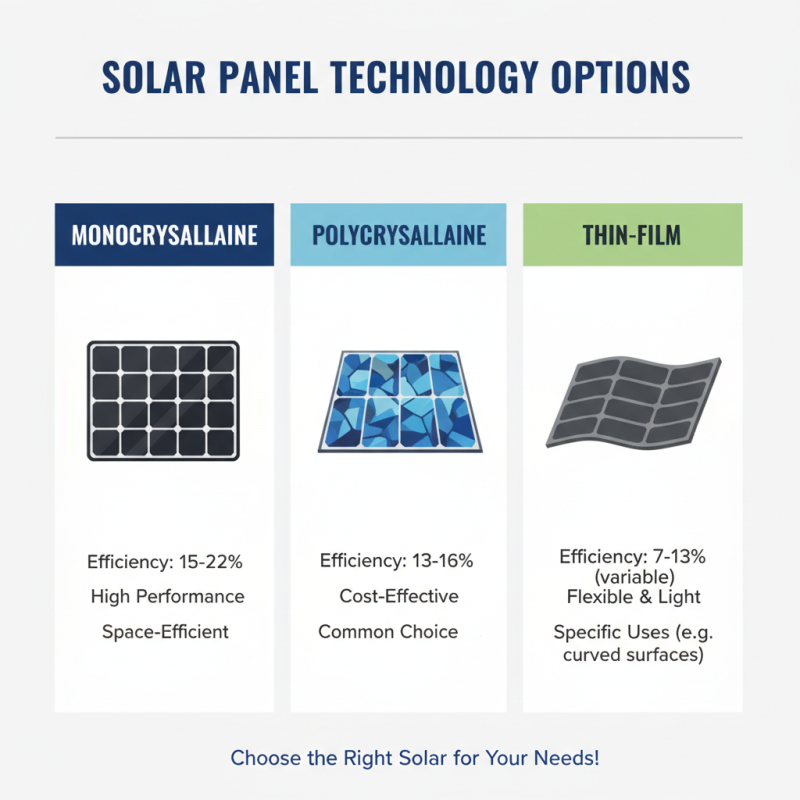
When evaluating solar products and technology options, it's crucial to understand the various components involved. Solar panels typically come in three types: monocrystalline, polycrystalline, and thin-film. Monocrystalline panels, known for their efficiency, have a conversion rate of 15-22%. In contrast, polycrystalline panels convert around 13-16%. Thin-film options may offer lower efficiency but are lighter and more flexible, which can suit specific installations.
Another important aspect is inverter technology. String inverters are common, but microinverters are gaining traction. They optimize energy production on a panel level. A recent study showed that microinverters can boost energy output by up to 20% compared to string inverters. However, the initial investment for microinverters is higher. It's essential to weigh the upfront costs against potential long-term savings.
Battery storage is also a growing consideration. As energy independence becomes more sought after, home battery systems are on the rise. Data from industry reports indicate that storage solutions can increase energy self-consumption by 60-80%. Yet, battery technology is still evolving. It may not be suitable for every home or budget. Ultimately, careful evaluation of these technologies can lead to a more informed decision for your solar installation.
Comparing Pricing Structures and Financing Plans
When choosing a solar provider, understanding pricing structures is crucial. Different providers offer various models, such as upfront payments, leases, and power purchase agreements (PPAs). Upfront payments may seem daunting, but they can lead to better long-term savings. You buy the system outright, which often comes with tax incentives. However, not everyone has the capital to invest upfront.
Leases and PPAs require little to no initial payment. You simply pay monthly fees based on energy production. This can fit potential customers’ budgets better. However, the long-term savings might not be as significant. It's important to calculate potential costs over 20 years or more. Some people overlook this and end up paying more in the long run.
Financing options also vary. Some providers partner with lenders to offer loans specific to solar installations. Be wary of interest rates! A high rate can negate all savings. Always compare options thoroughly. Measure terms like loan duration and monthly payments. Remember, transparency is vital. If a provider seems vague about costs, think twice before engaging. Explore all avenues, and always ask questions.
10 Essential Tips for Choosing the Best Solar Providers for Your Home
| Provider Type |
Average Cost ($/Watt) |
Financing Options |
Installation Time (Days) |
Warranty (Years) |
| Local Installer |
3.00 |
Cash, Loan, Lease |
30 |
20 |
| National Provider |
2.80 |
Cash, Loan |
45 |
25 |
| Regional Provider |
3.20 |
Lease, PPA |
35 |
10 |
| Solar Co-op |
2.90 |
Cash, Group Purchase |
40 |
15 |
| Online Marketplace |
3.10 |
Loan, PPA |
25 |
20 |
Reviewing Customer Feedback and Service Offerings
When selecting a solar provider, customer feedback is crucial. A 2022 industry report indicates that 70% of homeowners rely on online reviews before making a decision. In this way, thorough research into customer testimonials can unveil common concerns, such as installation delays or unsatisfactory maintenance service. Pay special attention to the reviews mentioning customer service quality. A typical homeowner may face challenges navigating complex contracts and warranties without a supportive provider.
Service offerings are also significant. The National Renewable Energy Laboratory reports that installations requiring ongoing monitoring often lead to higher satisfaction rates. A responsive company that provides clear communication can enhance your overall experience. Explore coverage options, warranties, and post-installation support. Some providers offer maintenance at a reduced rate, but not all families know about these perks.
Transparency is key, yet not all providers offer clarity in their services. Look for detailed breakdowns of costs and explore the overall design and technology needed for your home. Some reviews highlight a lack of proper follow-up after the installation. This inconsistency could lead to frustration when issues arise later. Always keep these aspects in mind while examining options.
Customer Feedback Ratings for Solar Providers