Best Solar Solutions for My Home to Save on Energy Costs?
Choosing the right solar for my home is essential for reducing energy costs. Homeowners often feel overwhelmed by options. Understanding what works best can lead to significant savings. Each home has unique energy needs and varying local regulations. This can complicate the decision-making process.
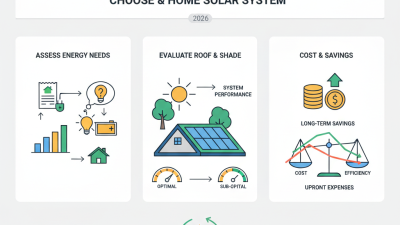
Research is crucial. It's important to assess your rooftop's solar potential. Factors like orientation and shading impact efficiency. Moreover, consulting with experts in renewable energy can provide clarity. They can offer tailored solutions that meet individual requirements.
However, not every solar solution will be effective for you. Some systems might seem promising but fail in real-world applications. Being informed and asking the right questions is vital. Don't rush the process; take your time to reflect on your choices. Finding the best solar solution can lead to substantial savings, but it requires careful consideration.
Benefits of Solar Energy: How It Reduces Long-Term Energy Costs
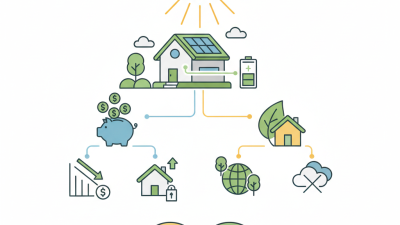
Solar energy offers numerous benefits that can significantly reduce your long-term energy costs. By harnessing the sun's power, homeowners can lower their electricity bills through reduced energy consumption. Solar panels capture sunlight, converting it into usable energy. This clean energy source can offset traditional electricity use, providing clear financial advantages.
Another advantage of solar energy is its potential for increasing home value. Studies indicate that homes with solar systems tend to sell for more than similar properties without them. Homebuyers see solar as a long-term investment, attracting those interested in sustainability. However, installation costs can be daunting initially. It requires careful planning and budgeting.
Long-term savings on energy costs are evident. Solar energy systems typically last 25 years or more with minimal maintenance. Beyond the financial aspect, adopting solar contributes to environmental sustainability. It reduces your carbon footprint. While the transition to solar may present challenges, the potential for energy independence makes it a worthwhile consideration.
Types of Solar Panels: Finding the Right Fit for My Home's Needs
When exploring the types of solar panels for your home, it's essential to understand your specific energy needs. Solar panels come in different styles: monocrystalline, polycrystalline, and thin-film. Each has distinct benefits. Monocrystalline panels are highly efficient and space-saving, ideal for homes with limited roof space. According to the National Renewable Energy Laboratory, these can convert up to 22% of sunlight into usable energy.
Polycrystalline panels are a more budget-friendly option. They usually offer lower efficiency at around 15-20% but are better for larger roof spaces where aesthetics aren't a priority. These panels require more space for installation but can provide significant savings on energy costs over time.
Thin-film panels are the least efficient, with a conversion rate of around 10-12%. They are lightweight and flexible, making them suitable for unique installations like curved roofs. However, their lower performance means you might need a larger setup to meet your energy needs. Assessing your energy consumption, roof characteristics, and budget can lead to a more informed decision. The best solar solution is one that balances efficiency, cost, and your home's unique attributes.
Best Solar Solutions for My Home to Save on Energy Costs?
| Solar Panel Type |
Efficiency (%) |
Cost per Watt ($) |
Lifespan (Years) |
Warranty (Years) |
| Monocrystalline |
15-22 |
$0.80 - $1.00 |
25 |
20-25 |
| Polycrystalline |
13-16 |
$0.70 - $0.90 |
25 |
10-15 |
| Thin-Film |
10-12 |
$0.50 - $0.70 |
20 |
10-12 |
| Bifacial |
18-22 |
$0.90 - $1.20 |
30 |
25-30 |
Cost Analysis: Initial Investment vs. Savings Over Time with Solar
Investing in solar solutions can seem daunting at first. The initial costs are significant. However, analyzing the long-term savings can reveal substantial benefits. Most homeowners begin to see payback within 5 to 7 years. Over 25 years, the savings on energy bills can reach tens of thousands of dollars.
Planning is crucial when considering a solar installation. A detailed cost analysis should accompany initial investment decisions. This includes costs for installation, maintenance, and potential incentives. Understanding these numbers will help clarify the long-term benefits. It is wise to consult experts for accurate estimates.
Purchasing high-quality solar panels can yield better energy production. Compare different options to find the best fit for your home. Regular maintenance can also extend the lifespan of your solar system. Remember, the efficiency of your panels can gradually decline. It's worth reflecting on whether you’re ready to invest now for future savings. Solar energy often requires patience, but the rewards can be significant.
Incentives and Rebates: Maximizing Financial Benefits for Homeowners
Incentives and rebates can significantly decrease the upfront costs of installing solar panels. Many states offer tax credits for homeowners who go solar. This can translate to thousands of dollars saved. Local programs sometimes provide additional rebates. Check your local utilities to see what is available. These financial benefits can create a quicker return on investment.
Homeowners often overlook potential savings from net metering. This program allows you to sell excess energy back to the grid. It means that you could earn money in addition to saving on your utility bills. Some areas have more favorable net metering policies than others. Researching the rules in your region could reveal substantial savings over time.
Understanding these incentives requires careful analysis. Not all programs are created equal. Some may have complicated requirements or deadlines. It's crucial to read the fine print. Engage local solar experts who can guide you through the process. They can help reveal hidden opportunities and avoid common pitfalls. A thorough understanding of available incentives can maximize your financial benefits and enhance your solar experience.
Choosing a Reliable Solar Installer: Key Factors and Industry Standards
Choosing a reliable solar installer is crucial for maximizing energy savings. Many homeowners overlook the importance of checking qualifications. You want someone with experience in the field. Verify their certifications and industry standards. An installer with solid credentials is more likely to deliver quality work.
Pay close attention to customer reviews. Look for testimonials from past clients. This can reveal the installer’s reliability and service quality. Communication is key. An installer should be willing to answer questions and provide clear explanations. Transparency builds trust.
When selecting an installer, ask about warranties and maintenance. Quality installations should come with comprehensive warranties. This protects your investment and adds peace of mind. Reflect on the installer’s experience with similar projects. Each home is different, and adaptability is essential. Informed choices lead to better outcomes.