Choosing among the 10 Best Solar Power Systems for Home requires more than comparing panel wattage or advertised savings. A reliable system must match your roof, electricity use, climate, budget, and future plans. Solar power for home can look simple online, yet the real decision involves panels, inverters, batteries, mounting equipment, monitoring software, and professional installation.
Hermann Scheer, a respected renewable-energy expert, wrote, “The sun is the only safe nuclear reactor, situated some 93 million miles away.” His observation captures solar energy’s promise, but it does not remove the need for careful planning. A south-facing roof may perform well, while afternoon shade from one tall tree can reduce output. Battery storage may keep essential lights running during outages, but it also increases the purchase price. Small details matter.
This guide examines ten leading home solar systems using practical criteria, including efficiency, durability, warranty coverage, battery compatibility, installation support, and long-term value. We also consider real household conditions, such as winter production, limited roof space, rising electricity demand, and complicated utility policies. No single system is best for everyone. That is easy to forget.
The rankings should support research, not replace an installer’s site assessment or an engineer’s advice. Product availability and incentives can change by location. Some advertised savings may also depend on assumptions that do not fit your home. A careful buyer should review several quotes, check installer credentials, and read warranty exclusions before signing. Solar can be an excellent investment, but only when the system is sized honestly and installed responsibly.
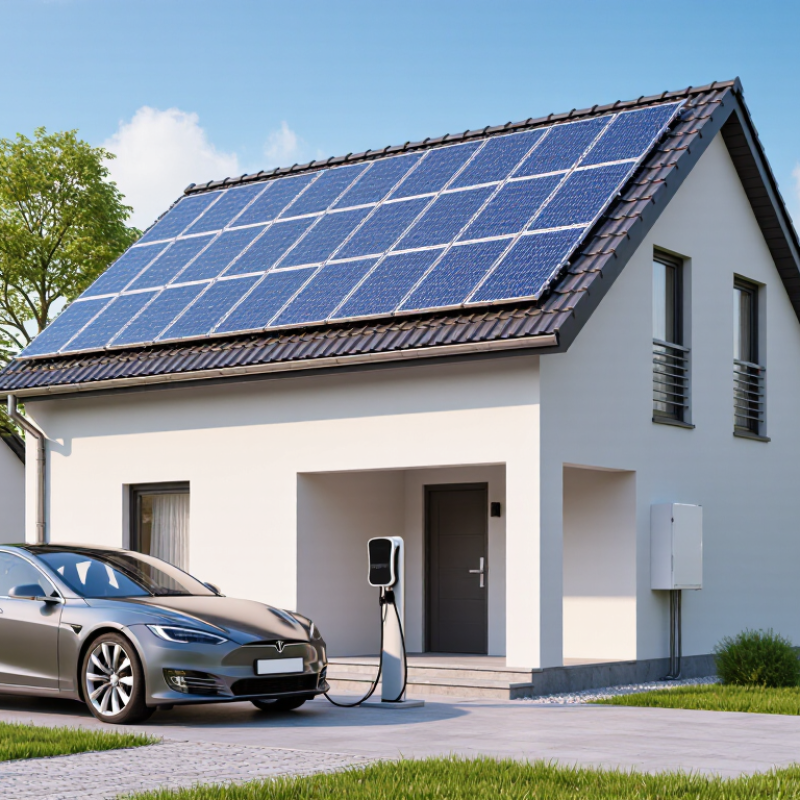
A home solar power system turns sunlight into usable electricity through several linked stages. Solar panels produce direct current when photons excite their cells. Wires carry that current to an inverter, which changes it into alternating current for household circuits. The inverter also monitors voltage, frequency, and output quality. This detail matters. A kettle may use power instantly, while a refrigerator starts in short bursts.
During daylight, the home usually consumes solar electricity first. Extra energy can charge a battery or move through a meter to the public grid, depending on local rules. At night, the battery can supply selected loads, such as lights, internet equipment, and a refrigerator. Without storage, the home draws electricity from the grid after sunset. A properly sized system needs more than a roof measurement. Professionals examine shade from trees, roof direction, weather patterns, cable routes, and hourly household demand. They also verify grounding, disconnects, and fire-access requirements.
Real homes rarely match neat diagrams. A roof may look sunny at noon but lose output behind winter shadows. An initial estimate might also overlook a heat pump’s starting load. That is why production should be checked across seasons, not guessed from one bright afternoon. Batteries add resilience, but they are not unlimited; heavy heating loads can drain them quickly. Clear records, certified equipment, and inspection by qualified electricians support dependable operation.
10 Best Solar Power Systems for Home?
Comparing residential solar systems starts with energy yield, not panel count. A 6-kilowatt system can produce very different results under shade, dust, or poor roof orientation. Use at least one year of hourly consumption data when possible. The U.S. Department of Energy recommends evaluating roof condition, solar access, local electricity rates, and future household demand. Real output matters more than brochure capacity.
Equipment quality also affects long-term value. The National Renewable Energy Laboratory’s photovoltaic degradation research found a median annual degradation rate near 0.5%. That small loss compounds over time. Compare inverter replacement terms, temperature performance, monitoring accuracy, and product warranties. Battery systems require closer inspection. Check usable capacity, round-trip efficiency, backup duration, and whether essential circuits are clearly defined. Batteries are not automatically economical.
Installation quality deserves equal attention. Lawrence Berkeley National Laboratory’s Tracking the Sun reports show that residential installed prices vary substantially across markets, even for similar system sizes. Ask for a line-item proposal, production assumptions, permit responsibilities, and estimated payback under conservative electricity prices. A neat spreadsheet can still mislead. Shading estimates may be optimistic, and projected savings are not guaranteed. The International Energy Agency’s Renewables 2024 report confirms solar’s rapid global expansion, but local roof conditions remain decisive. Compare lifecycle cost per kilowatt-hour, not just the lowest upfront quote.
Choosing the best solar power system for home use depends on roof space, energy demand, budget, and outage risks. A grid-tied rooftop system usually costs less and works well in sunny neighborhoods. A hybrid system adds batteries for evening use and short blackouts. Off-grid systems suit remote homes, but they require careful load planning and backup generation. They are not simple installations.
Other strong options include microinverter systems, string inverter systems, DC-coupled battery systems, and AC-coupled battery systems. Microinverters can improve performance when roof sections face different directions. String inverters are often easier to maintain, although one shaded panel may affect several others. DC-coupled storage can reduce conversion losses. AC-coupled storage offers flexibility when adding batteries later. Performance still depends on installation quality.
Portable solar generators help renters power small appliances, while ground-mounted arrays can serve homes with weak or shaded roofs. Solar carport systems provide electricity and vehicle shelter. A qualified installer should inspect roof age, wiring, local weather, and annual electricity records before recommending equipment. Ask for production estimates, battery warranties, maintenance terms, and shutdown procedures. Real experience has taught me that theoretical output can disappoint after dust, winter clouds, or unexpected shade. Not every calculation is right. Leaving some roof capacity unused may be wiser than covering every available surface. Reliable systems balance daily savings with safe, practical operation.
10 Best Solar Power Systems for Home?
A dependable home solar system begins with a careful site assessment, not a quick equipment quote. An installer should inspect roof age, shading, drainage, wiring, and local connection requirements. Morning and afternoon shade can reduce production more than expected. Keep records.
Installation quality affects safety and long-term output. Panels need secure mounting, correct spacing, and weather-resistant cable routes. The inverter should have ventilation and clear access for servicing. Ask for written production estimates based on local sunlight data. Be cautious with promises of complete energy independence.
Maintenance is usually simple, but it is not optional. Check the monitoring display each month for sudden output changes. Look for cracked panels, loose cables, standing water, or heavy dirt from nearby roads. Professional inspections can test electrical connections and protective devices. After storms, a qualified technician should examine the system. I once underestimated dust loss on a low-tilt roof; the panels looked clean from the ground.
Energy storage choices depend on household habits. A system without batteries may suit homes using power during sunny hours. Battery storage can support evening loads and short outages. Larger capacity costs more and may sit unused for much of the year. Review daily consumption, backup priorities, temperature conditions, and usable capacity before purchasing. A rough estimate can mislead. Recheck it against actual utility bills and seasonal demand.
| System Type | Rated Solar Capacity | Typical Annual Energy Output | Approximate Roof Area | Recommended Home Profile | Battery Storage Option | Typical Installation Time | Routine Maintenance | Expected Service Life | Best Use Case |
|---|---|---|---|---|---|---|---|---|---|
| Compact Grid-Tied System | 3 kW | 3,600–5,100 kWh per year | 18–24 m² | Small, energy-efficient home with low daytime consumption | 5–10 kWh lithium-ion battery; optional | 1–2 days | Visual inspection, monitoring review, and annual electrical check | Panels: 25–30 years Inverter: typically 10–15 years |
Low-cost entry |
| Balanced Grid-Tied System | 5 kW | 6,000–8,500 kWh per year | 30–40 m² | Average household with moderate electricity use | 8–13.5 kWh battery; optional | 1–3 days | Panel cleaning when soiling is visible and annual system inspection | Panels: 25–30 years Inverter: typically 10–15 years |
General-purpose choice |
| High-Usage Family System | 7 kW | 8,400–11,900 kWh per year | 42–56 m² | Family home using electric cooking, appliances, and home office equipment | 10–15 kWh battery; useful for evening loads | 2–4 days | Annual inspection, inverter ventilation check, and occasional cleaning | Panels: 25–30 years Inverter: typically 10–15 years |
High daytime demand |
| All-Electric Home System | 10 kW | 12,000–17,000 kWh per year | 60–80 m² | Home with heat pump, electric water heating, and substantial appliance use | 13.5–20 kWh battery; recommended for load shifting | 3–5 days | Annual inspection plus checks of heat-related equipment and energy monitoring | Panels: 25–30 years Inverter: typically 10–15 years |
Electrification projects |
| Solar-Plus-Storage Backup System | 6 kW | 7,200–10,200 kWh per year | 36–48 m² | Home requiring backup for refrigeration, lighting, communications, and selected circuits | 10–20 kWh battery with backup gateway | 2–4 days | Battery status review, backup test, and annual electrical inspection | Panels: 25–30 years Battery: commonly 10–15 years |
Outage resilience |
| Time-of-Use Optimization System | 8 kW | 9,600–13,600 kWh per year | 48–64 m² | Household with high evening electricity prices or substantial evening consumption | 15–20 kWh battery with programmable charge and discharge controls | 3–5 days | Software monitoring, battery health review, and annual system inspection | Panels: 25–30 years Inverter: typically 10–15 years Battery: commonly 10–15 years |
Bill reduction |
| Electric Vehicle Charging System | 9 kW | 10,800–15,300 kWh per year | 54–72 m² | Home with regular electric vehicle charging and moderate household demand | 10–15 kWh battery; optional depending on charging schedule | 3–5 days | Panel inspection, charger connection check, and annual electrical review | Panels: 25–30 years Inverter: typically 10–15 years |
Home EV charging |
| Three-Phase Large Home System | 12 kW | 14,400–20,400 kWh per year | 72–96 m² | Large home with three-phase supply, high loads, or multiple electric vehicles | 15–25 kWh battery; scalable where permitted | 4–6 days | Annual three-phase inspection, monitoring review, and ventilation checks | Panels: 25–30 years Inverter: typically 10–15 years Battery: commonly 10–15 years |
Large electrical loads |
| Ground-Mount Flexible System | 8 kW | 9,600–13,600 kWh per year | Approximately 50–70 m² of ground area | Property with limited roof space, suitable ground area, and minimal shading | 10–20 kWh battery; optional | 3–6 days | Vegetation control, structural inspection, panel cleaning, and annual electrical check | Panels: 25–30 years Inverter: typically 10–15 years |
Roof limitations |
| Hybrid Off-Grid Home System | 10 kW | 12,000–17,000 kWh per year | 60–80 m² | Remote home with limited or no utility connection and controlled energy demand | 20–30 kWh battery bank, often supported by a backup generator | 4–7 days | Battery monitoring, generator checks, equipment inspection, and seasonal cleaning | Panels: 25–30 years Inverter: typically 10–15 years Battery: commonly 8–15 years |
Remote living |
10 Best Solar Power Systems for Home?
Choosing a home solar system starts with your electricity use, roof space, and local conditions. A household using 900 kilowatt-hours monthly may need a different system from one using 450. Review twelve months of utility bills, not just one summer statement. Panel direction, roof shade, battery storage, and inverter capacity can change the final result. A professional site assessment should include roof age, structural condition, wiring, and expected production.
Costs include equipment, permits, installation, monitoring, maintenance, and possible battery replacement. Request itemized quotes with estimated annual output and warranty terms. A cheaper system may produce less power or require upgrades later. That is easy to overlook. Incentives may include tax credits, rebates, grants, or utility programs, but eligibility changes by location and income. Confirm current rules through government websites or your utility before signing anything. Do not treat a sales estimate as guaranteed savings.
Tips: Compare at least three written proposals. Ask how production was calculated. Check whether batteries are necessary for your goals. If your roof needs replacement soon, handle that first. Keep copies of permits and inspection records. A system sized only for today may feel inadequate after an electric vehicle or home addition. I have seen homeowners focus on panel count while ignoring afternoon shade from a growing tree. Solar decisions deserve careful review, and reasonable doubt can prevent an expensive mistake.
Estimated U.S. residential solar costs by system size. Calculations use a planning benchmark of $2.75 per watt, a 30% federal clean energy tax credit for eligible systems, and an average production estimate of 1,200 kWh per installed kW per year.
Larger systems generally provide more annual electricity but require higher upfront investment. Actual costs and output vary by location, roof design, equipment, permitting, financing, storage, and local incentives. The federal tax credit is subject to eligibility requirements and should be verified with current IRS guidance.