Choosing the best solar panels for my home involves more than comparing efficiency percentages. Roof direction, shade, climate, electricity use, and available installation space all affect the final decision. A panel that performs well in Arizona may produce different results on a shaded roof in Seattle.
This guide explains how to compare panel efficiency, durability, temperature performance, warranties, and manufacturer reputation. It also considers practical details, such as roof age, inverter compatibility, battery storage, and local permitting requirements. A reputable installer should inspect the roof, review recent electricity bills, and provide a clear production estimate. Ask for written warranty terms. Check the company’s installation history.
Numbers can mislead.
Higher efficiency does not always mean better value. Premium panels may cost more while producing only modest additional electricity. Meanwhile, cheaper products can create concerns about long-term support, replacement parts, or warranty service. Those trade-offs deserve careful attention. I would not choose a panel based only on its brochure rating. Real-world performance can change with dust, heat, snow, and partial shade.
The right choice depends on your home, budget, and energy goals. An independent review of proposals can reveal unclear assumptions, inflated savings estimates, or overlooked maintenance costs. This article will help you ask better questions and compare options with greater confidence. Some recommendations may still require reconsideration after a professional roof assessment. That is normal. Solar decisions should be durable, transparent, and grounded in evidence rather than attractive marketing alone.
The best solar panel is not always the one with the highest wattage. Start with your household’s actual electricity use. Review twelve months of utility bills and note seasonal changes. A home using 900 kilowatt-hours in July may need more capacity than one using 500. Check your roof’s direction, pitch, usable area, and shading. A tall tree can reduce production during valuable afternoon hours. I learned that rough roof sketches often hide vents, skylights, and weak sections.
Your energy needs may also change. An electric vehicle, heat pump, or growing family can increase future consumption. Ask a qualified solar professional to model these changes using local sunlight data. Compare expected annual production, not just the panel’s advertised output. Panel efficiency, temperature performance, inverter limits, and roof condition all matter. Independent estimates are useful, but they are not perfect. Weather is unpredictable. Household habits change. My first estimate would probably be too confident without reviewing real bills and shade patterns.
Tips: Track daily electricity use for one month. Photograph morning and afternoon shade. Leave space for safe maintenance access. Request a written production estimate and warranty terms. Ask how the system performs after ten years. If your roof needs replacement soon, address that before installation. Small details matter.
The best solar panel depends on your priorities, not a universal ranking. Start with your roof. A small roof may favor high-efficiency monocrystalline panels, while a spacious roof can support more affordable options. Fraunhofer ISE’s Photovoltaics Report 2024 places commercial module efficiency broadly around 20% to 23%. That difference matters when shade, dormers, or limited roof space reduce usable area.
Efficiency is only one measure. If your priority is long-term output, examine annual degradation and warranty terms carefully. A National Renewable Energy Laboratory study found a median crystalline-silicon degradation rate near 0.5% per year. Ask for test conditions, not just headline ratings. A panel’s performance under heat, weak light, and partial shade may better reflect your roof’s daily reality. Shading changes everything.
Budget-conscious homeowners should compare total system cost, not panel price alone. Installation complexity, inverter replacement, roof repairs, and local permitting can alter the financial result. The International Energy Agency Photovoltaic Power Systems Programme reports that module prices have fallen sharply over the past decade, but balance-of-system costs remain important. This is where estimates can become optimistic. Get several itemized proposals, and check the assumptions behind projected savings.
A practical comparison should include efficiency, temperature coefficient, degradation rate, dimensions, weight, recyclability, and installer experience. I would not choose the highest efficiency automatically. A slightly less efficient panel may perform better on a cool, unshaded roof with simpler installation. Your priorities should lead. Don’t let a specification sheet make the decision alone.
Panel efficiency matters when your roof has limited space. The Fraunhofer ISE Photovoltaics Report 2024 records commercial module efficiencies reaching about 24%. Higher efficiency can produce more electricity from each square metre. However, it may increase the purchase price. Numbers need context. Compare annual energy estimates, not only the percentage printed on a datasheet. Ask for a shade analysis covering trees, chimneys, and winter sun. A slightly less efficient panel can perform better on a cooler, well-ventilated roof.
Durability depends on heat, humidity, wind, and installation quality. International standards IEC 61215 and IEC 61730 test design safety and environmental stress. They do not guarantee perfect performance for decades. The 2024 PV Module Reliability Scorecard evaluates thermal cycling, damp heat, and mechanical loading. NREL field studies commonly place crystalline-silicon degradation near 0.5% annually. That figure is useful, but local conditions can produce different results. Salt air and repeated high temperatures deserve extra attention.
Warranty language needs careful reading. EnergySage’s 2024 Solar and Storage Marketplace Report shows that 25-year panel coverage is common in residential proposals. Separate product and performance warranties may apply. Check degradation limits, labour coverage, shipping responsibility, and exclusions for poor installation. A long warranty is weak if the claim process is unclear. Request installer credentials, recent project references, and written production estimates. I would also compare the roof’s remaining life. Replacing panels early can create an avoidable cost.
Choosing solar panels begins with the roof, not a product sheet. During a site visit, check roof age, remaining life, pitch, orientation, and shade from nearby trees. A ten-year-old roof may need repairs before installation. Removing panels later can raise costs. In field assessments, homeowners often focus on efficiency while overlooking cracked flashing or weak rafters. That mistake can become expensive.
Climate changes the specification. In hot regions, panels with stronger temperature performance may produce more energy during summer afternoons. In snowy areas, sturdy mounting hardware and a roof-load assessment matter. Coastal homes need corrosion-resistant components and careful electrical protection. Frequent hail or high winds require equipment tested for local conditions. Humidity also deserves attention. It can expose poor seals over time. Not every roof cooperates.
Roof shape affects the final design. A small, shaded roof may benefit from efficient panels, while a large, clear roof may prioritize value and easier maintenance. Ask a qualified installer to model seasonal production, not only annual estimates. Confirm local permits, wind requirements, fire rules, and warranty terms in writing. Inspect access routes for future repairs. Measure twice. A panel choice can look excellent on paper and still fit badly on one roof. No assessment is perfect; trees grow, weather shifts, and estimates can miss real-world losses.
How roof conditions and climate affect panel selection
Values show representative technology-level power loss per 1°C increase above the standard test temperature of 25°C. Actual performance varies by model and installation conditions.
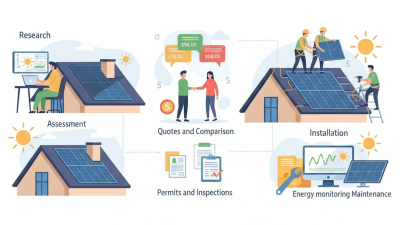
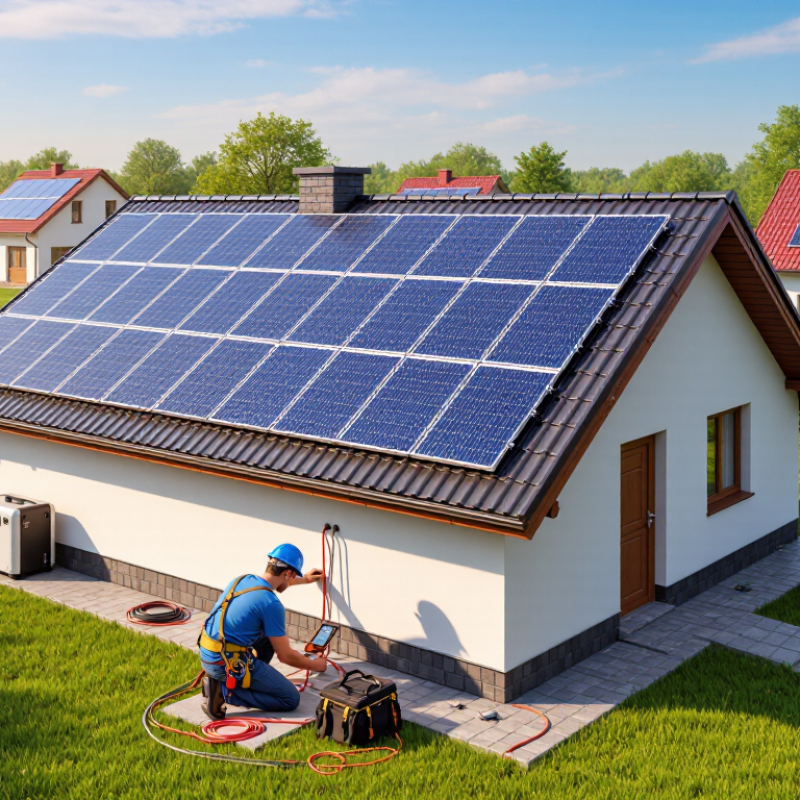
A qualified installer matters as much as the panel itself. Ask for a current electrical license, liability insurance, and recent local references. Verify each document through your local authority. Request a detailed site visit, not only a phone estimate. The installer should inspect roof age, attic access, shading, electrical capacity, and panel placement. Ask who will obtain permits and manage utility approval. Ask for proof.
Compare at least three written proposals using the same assumptions. Each quote should show system size, expected annual production, equipment warranties, labor coverage, and estimated degradation. Check whether the price includes structural work, electrical upgrades, monitoring, sales tax, permits, and future maintenance.
A low upfront price may exclude important work. Financing can also hide fees through a higher total repayment. Read every line.
Total cost depends on more than the purchase price. Include battery replacement, insurance changes, roof repairs, and possible inverter service. Ask how production estimates account for winter shade, dust, snow, and nearby trees.
No estimate is perfect. Seasonal changes are easy to underestimate. A reliable installer explains uncertainty instead of promising exact savings.
Review the contract’s cancellation terms, payment schedule, workmanship warranty, and responsibility for damaged roofing. If the proposal feels rushed, pause and request clarification in writing.