What Is the Best Solar Panel for Business?
Choosing the best solar panels for business is not a simple matter of finding the highest wattage. A warehouse roof, retail storefront, or manufacturing site has different electrical loads, shading patterns, and financial pressures. The right system must perform reliably beside rooftop vents, withstand heat, and match the company’s operating hours.
Industry data shows why this decision deserves careful attention. The International Renewable Energy Agency reported 346 gigawatts of new solar capacity worldwide in 2023, confirming solar’s expanding commercial role (IRENA, Renewable Capacity Statistics 2024). The IEA PVPS Trends 2024 report also estimated global photovoltaic capacity exceeded 1.6 terawatts by the end of 2023. These figures demonstrate momentum, but they do not identify one perfect panel for every business. A cheaper quote can still produce disappointing results.
IEA Executive Director Fatih Birol described solar as “the new king of electricity” in the IEA’s Renewables 2020 report. His statement captures the technology’s growing influence, not a guarantee of effortless savings. Businesses should compare module efficiency, temperature performance, degradation rates, warranties, installer experience, and total system cost. Demand charges and local grid rules matter too. A panel that performs well in a laboratory may behave differently under dust, partial shade, or a hot metal roof. This guide examines those practical differences, using recognized reports and commercial decision criteria. Some assumptions may need reconsideration. The best solar panels for business are not always the newest, largest, or most heavily advertised.
Understanding Solar Panel Types for Business Applications
What Is the Best Solar Panel for Business?
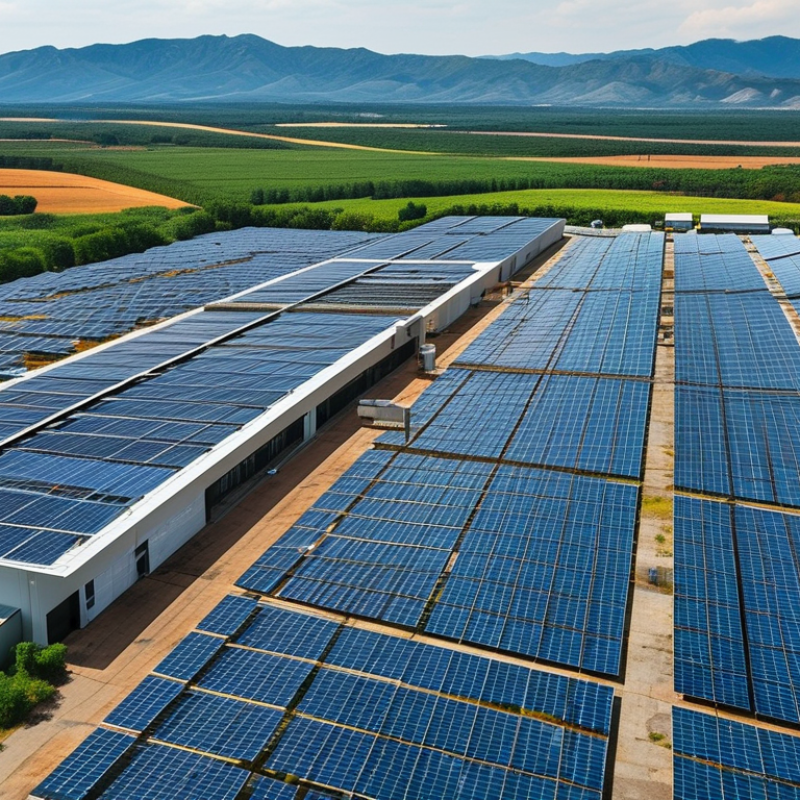
Understanding solar panel types begins with the building itself. Monocrystalline panels deliver high efficiency where roof space is limited. They suit offices, warehouses, and retail buildings with strong structural support. Polycrystalline panels can cost less, but they usually need more area for the same output. That difference matters on crowded commercial roofs. Thin-film panels are lighter and flexible. They can work well on broad roofs with lower load capacity, although their efficiency is often lower. Less space is available.
Bifacial panels generate power from front and rear surfaces. They perform best above reflective roofing or open ground, where sunlight can reach the back. Their results depend heavily on mounting height, roof color, and local sunlight. A dark roof may reduce the expected gain. That assumption is easy to miss. Temperature also affects production. Some thin-film designs maintain output better in hot conditions, while crystalline panels often provide stronger peak efficiency. A professional energy model should compare yearly production, not just the panel’s rated wattage.
Business owners should review shading, roof age, wind exposure, maintenance access, and daytime electricity demand. A panel system must also match the inverter, wiring, protection equipment, and local electrical requirements. Independent test data and clear degradation terms support more reliable decisions. However, forecasts are never perfect. Dust, unexpected shade, and future roof repairs can change performance. An experienced installer can measure these risks before procurement, while a structural engineer confirms that the roof can safely carry the selected system.
Assessing Energy Needs, Site Conditions, and Installation Goals
Choosing the best solar panel for a business starts with the building, not the product sheet. Start with the load. Review twelve months of electricity bills, hourly demand, seasonal peaks, and critical equipment. A warehouse with daytime cooling needs differs from an office with evening consumption. According to IRENA’s Renewable Capacity Statistics 2024, solar capacity reached 1,419 gigawatts globally by the end of 2023. That growth improves options, but it also makes selection more complex.
Roof age matters. Inspect shading, drainage, roof structure, wind exposure, snow load, and available maintenance space. A high-efficiency panel may suit a cramped roof, while a lower-cost panel can work well on open land or a large warehouse. Bifacial designs need suitable mounting height and reflective surfaces; otherwise, their extra output may disappoint. Check inverter placement and grid-interconnection limits early. These details often change the system design more than panel efficiency.
Installation goals should be explicit. Is the priority lower bills, demand-charge reduction, backup power, or maximum generation? IEA PVPS Task 13 reports median photovoltaic degradation near 0.5% annually for crystalline-silicon systems, so long-term yield deserves attention. A spreadsheet can still lie. Production estimates should include local weather, shading losses, downtime, and realistic operating conditions. I would also question oversized systems built only around annual energy use; monthly exports, tariffs, and future expansion can alter the financial result.
What Is the Best Solar Panel for Business?
Representative commercial benchmarks show how panel technology can affect space requirements and long-term energy retention. Actual results depend on energy demand, roof area, shading, temperature, and installation design.
Typical module efficiency values are based on common market ranges. Retained output represents the approximate percentage of original rated output remaining after 25 years under standard warranty assumptions.
Comparing Efficiency, Durability, Costs, and Available Warranties
What Is the Best Solar Panel for Business?
For business projects, efficiency affects roof space, not just energy output. Fraunhofer ISE’s Photovoltaics Report 2024 places mainstream crystalline-silicon modules near 20–23% efficiency. Higher efficiency can help when a warehouse roof has vents, skylights, or narrow usable areas. However, extra efficiency may raise the purchase price. It is not automatically the best value.
Durability needs evidence. NREL’s PV Lifetime Project reports a typical module degradation rate of about 0.5% annually, though climate and installation quality change results. Heat, humidity, hail, and poor drainage can accelerate losses. Ask for independent testing, mechanical-load ratings, and documented field performance. Small details matter. A strong frame cannot fix bad mounting.
Costs include inverters, engineering, labor, permits, monitoring, and future maintenance. IEA PVPS Trends 2024 reports continued declines in global PV module prices, but commercial installation costs still vary widely by region and project complexity. Compare lifetime energy cost, not panel price alone. Warranties deserve careful reading: product coverage may last 12–25 years, while performance coverage often extends to 25–30 years. Check exclusions, labor reimbursement, transfer rules, and the claims process. A long warranty sounds reassuring. Yet financial strength and service capacity are harder to measure, and buyers sometimes overlook them.
Matching Panel Features to Different Commercial Building Types
What Is the Best Solar Panel for Business?
Matching panel features to building type matters more than choosing the highest rated module. A low-rise warehouse usually has broad, unobstructed roofing. High-efficiency panels can reduce installation space and leave room for skylights, vents, and maintenance paths. The IEA PVPS Trends 2024 report recorded more than 400 gigawatts of new solar capacity worldwide in 2023. That scale reflects strong demand, but commercial buyers still need site-specific decisions.
Retail buildings often have complicated roofs and limited usable area. Panels with strong performance in partial shade may produce more practical energy than panels with a higher laboratory rating. Offices may benefit from lightweight modules, especially when structural surveys identify modest roof-load capacity. The National Renewable Energy Laboratory notes that module degradation commonly averages around 0.5% annually, so warranty terms and long-term performance deserve careful review.
Factories and cold-storage facilities frequently consume power during daytime operations. A panel with a favorable temperature coefficient can help during hot rooftop conditions. The Fraunhofer ISE Photovoltaics Report 2024 shows that mainstream module efficiencies have continued rising, but efficiency alone does not guarantee better returns. That is where judgment gets messy. Reflective roofs, dust, nearby buildings, and inverter placement can change output significantly. I would measure roof conditions during different seasons, not rely on one inspection. A perfect specification can still fail on an unsuitable roof.
Selecting the Best Solar Panel for Long-Term Business Value
The best solar panel for a business is not always the most efficient model. Long-term value depends on energy yield, degradation, installation quality, and maintenance access. IRENA reported that utility-scale solar electricity costs fell by about 90% between 2010 and 2023, reaching roughly USD 0.044 per kilowatt-hour in 2023. That decline makes lifetime performance more important than a low purchase price.
Look beyond the nameplate rating. A panel with strong performance in heat, weak light, and partial shade may produce more electricity across a working roof. NREL’s photovoltaic degradation research commonly identifies a median annual decline near 0.5% for many systems. After 25 years, that difference becomes meaningful. Check the product’s degradation warranty, temperature coefficient, fire classification, and compatibility with the inverter. Boring details matter.
Roof conditions deserve equal attention. A warehouse roof may need reinforcement, while a dusty factory roof may require frequent cleaning. Energy audits should use hourly load data, not monthly estimates alone. IRENA also notes that financing, grid connection, and installation costs strongly affect project economics. A cheaper panel can become expensive after replacement delays or difficult servicing.
I would not choose solely by laboratory efficiency. That is an easy mistake. Request independent testing, documented field performance, and a clear warranty process. Compare projected annual output with conservative assumptions for shading, soiling, downtime, and future electricity prices. The strongest business choice is usually the panel that delivers dependable kilowatt-hours with manageable risk.
What Is the Best Solar Panel for Business? - Selecting the Best Solar Panel for Long-Term Business Value
Data note: Values are typical industry ranges and can vary by cell design, module construction, climate, mounting system, installation quality, and warranty terms. Actual business value should also include system price, installation cost, financing, maintenance, local electricity rates, incentives, and expected annual energy yield.